Sculpture

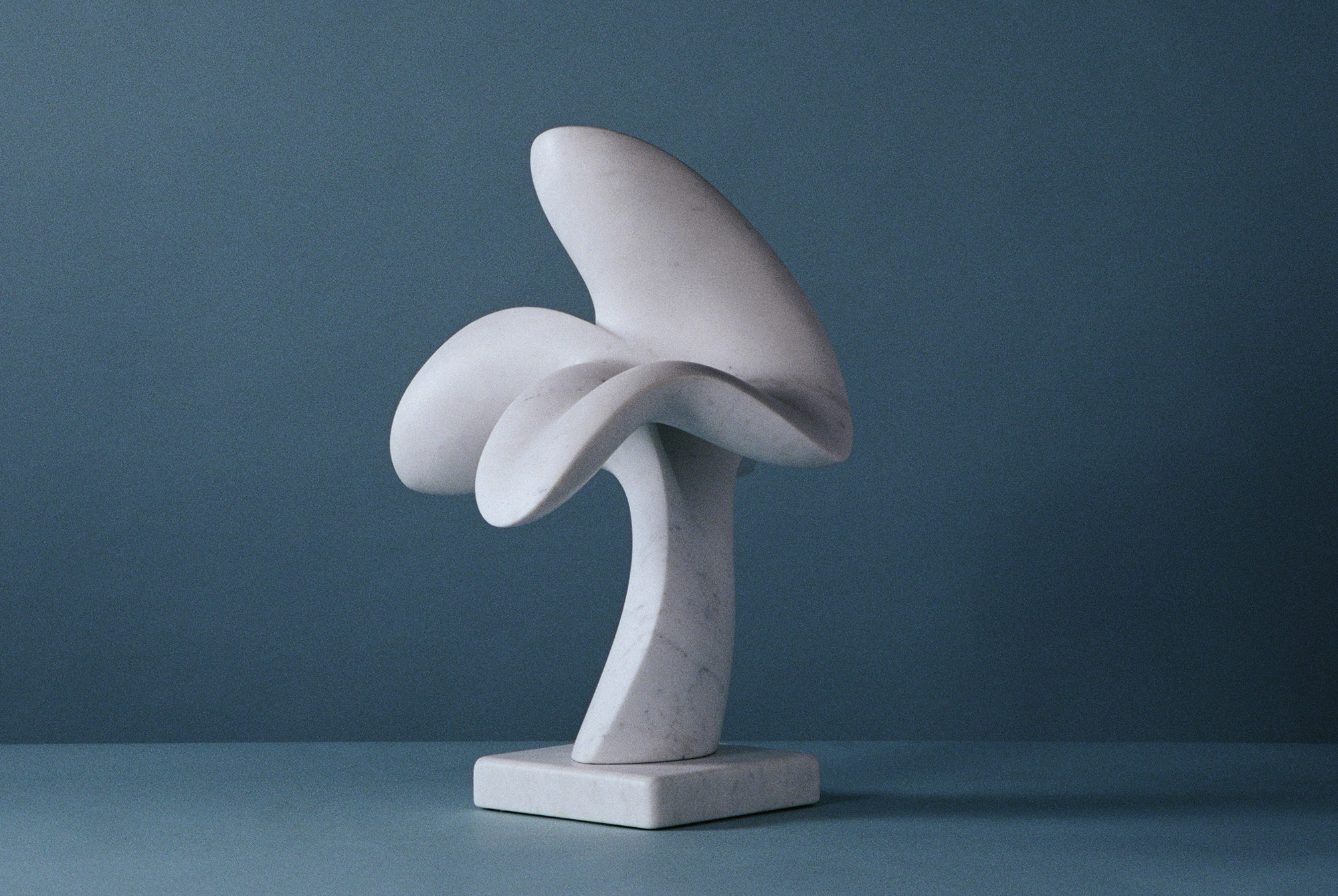
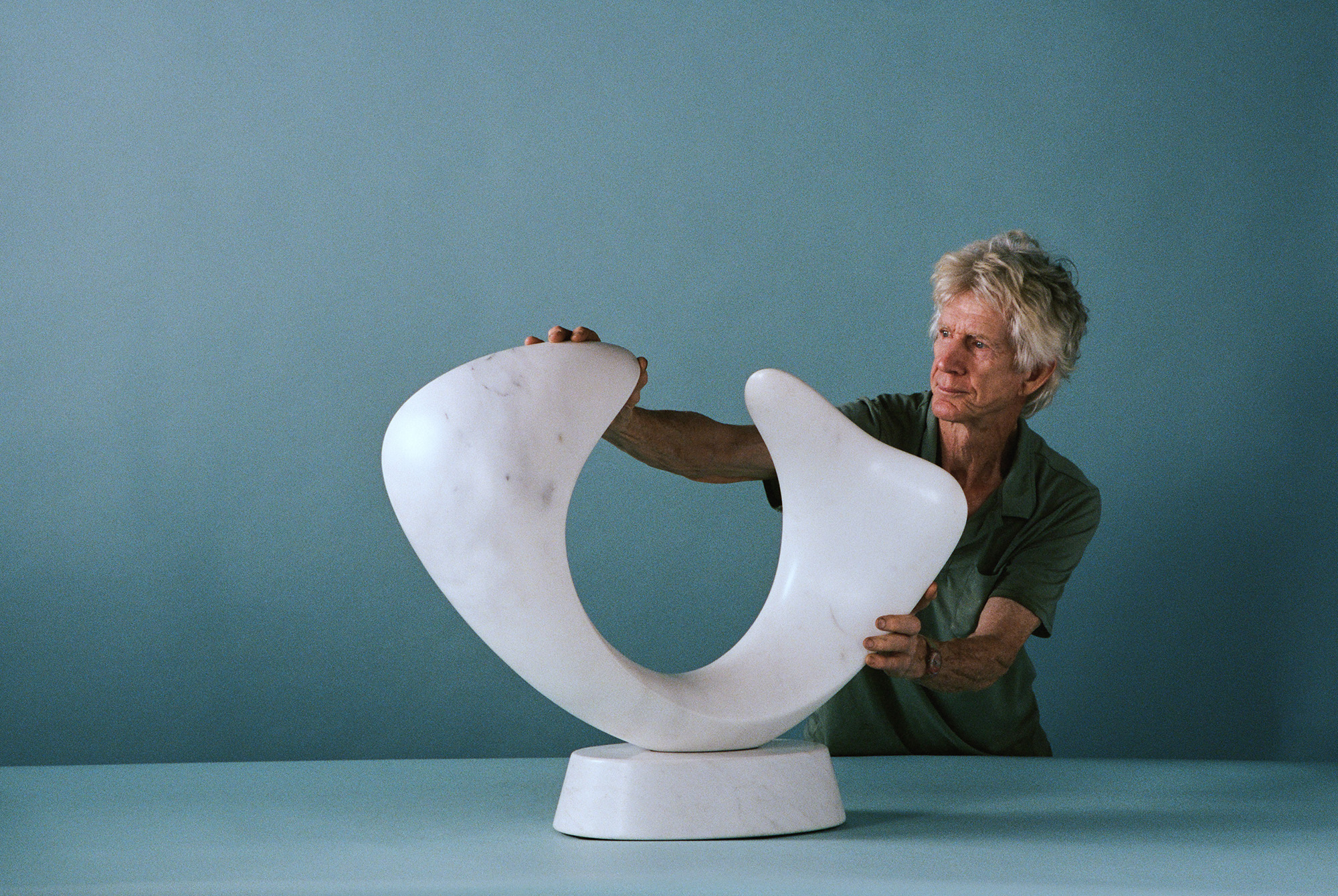
Richard Erdman’s sculpture engages marble and bronze as charged, living materials. Working through abstraction, his practice is grounded in sustained physical dialogue with stone—where form emerges through the hand, material subtraction, and conceptual rigor. As Erdman explains, “I am not content to look at marble from the outside only. I believe my work pervades and embodies the human spirit.” His marble sculpture  pursues symbolic narrative, exploring balance, tension, and spatial negotiation, allowing material and process to shape the work’s evolving presence.


Volume and void are treated as interdependent forces. Weight is present but never inert. Erdman’s abstract forms carry a sense of movement and instability, reflecting both the conditions of its making and the inherent unpredictability of marble and bronze. Serial forms are revisited and reworked across bodies of work, allowing subtle variations to accumulate and inform ongoing investigations into how form holds, resists, or yields under material constraint.


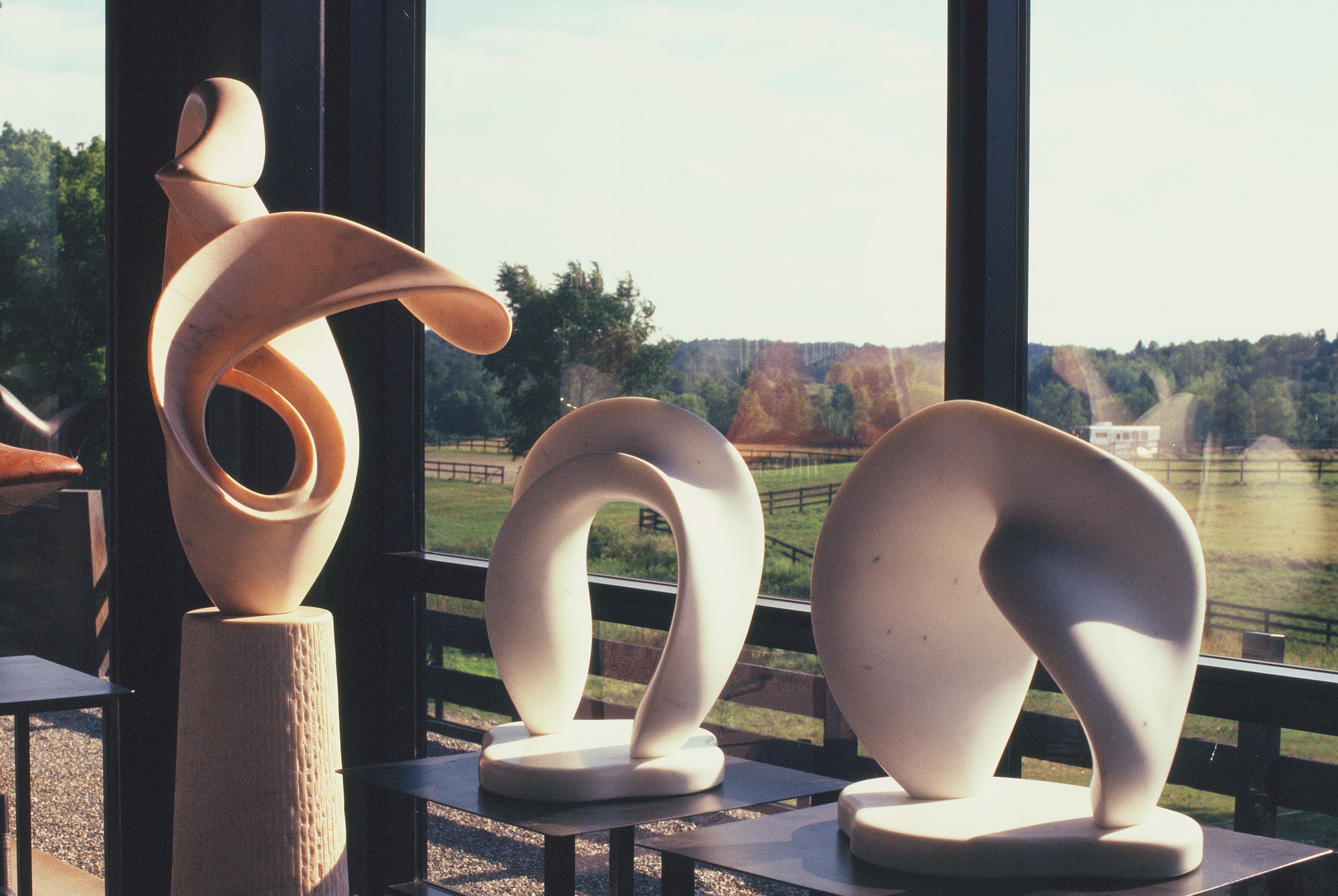
Presented in galleries, public sites, and private collections, Erdman’s sculptures invite close, bodily engagement. Scale, orientation, and negative space are integral to how each piece is encountered in relation to architecture, environment, and the viewer’s movement. Each work maintains a subtle but insistent presence, rooted in material intelligence, durational making, and the dialogue between contemporary practice and historical sculptural lineages.

About


Richard Erdman is a contemporary sculptor whose practice centers on marble and bronze as alchemical, time based materials. His work is informed by long-term engagement with stone carving and the ancient geologic process of the formation of marble. This commitment to process situates his practice within a lineage of sculptural making while addressing contemporary concerns around abstraction, geology, and material knowledge.


Working primarily with Carrara marble, Erdman engages a material historically associated with idealized form and permanence, while testing its vulnerability and resistance in the present. His practice is grounded in the physical realities of carving, where time, making, and patience are inseparable from meaning.


Erdman’s work has been exhibited internationally and is held in public and private collections in 50 countries. Across commissions and independent projects, his sculpture operates as a sustained inquiry into form, material intelligence, and the conditions under which abstraction remains physically and conceptually grounded.

Fluid curving Carrara marble sculpture in from of black fence and and pink to blue dawn. Sculpture at Dawn

Studios


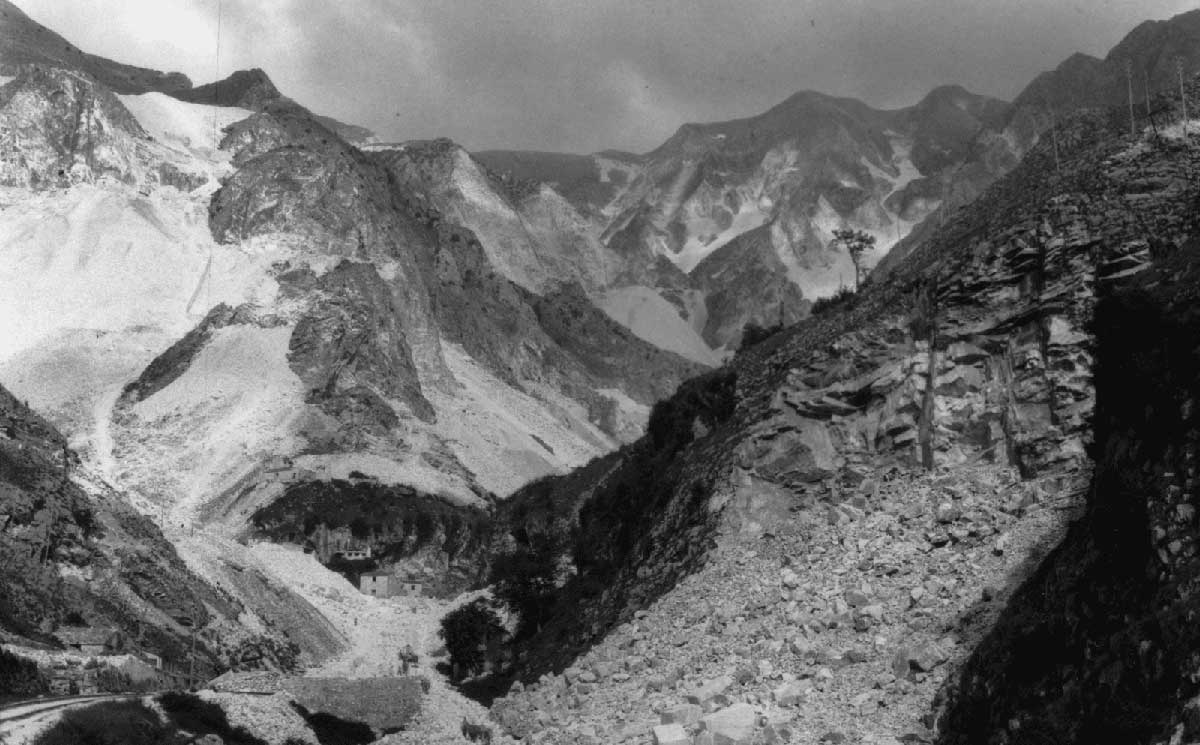
Richard Erdman maintains studios in the United States and Italy, working directly with marble and bronze across multiple sites — studios in Vermont, where he makes models out of wire, screen, and plaster, and in Carrara and Pietrsanta, where vast quarries of white marble mimic snow lined mountain ranges.


 

Time spent in Carrara and Pietrasanta, Italy remains central to Erdman’s work with marble. Access to quarries and multi generational carving studios supports an ongoing engagement with material as expression of history and continually evolving potential.


The artist’s studio is an extension of creative process. Forms evolve through sustained physical presence, with works often moving slowly between stages of refinement and interruption. This pace is integral to the work’s conceptual grounding, embedding time and the hand into the finished works. Across locations, Erdman’s studios function as spaces of research, experimentation, and refinement—where abstraction is continually shaped by material resistance, spatial conditions, and the realities and complexities of making.

A History of Marble

Marble has occupied a central role in the history of sculpture for over two millennia, shaped by its durability, luminosity, and capacity for fine detail. From classical antiquity through the Renaissance and into modernism, marble has been associated with idealized form, permanence, and technical mastery. Yet its use has continually evolved in response to changing cultural and conceptual frameworks.


Carrara marble, quarried in northern Italy since Roman times, has been particularly influential within this history. Its density, tonal variation, and structural consistency have made it a material of choice for artists across centuries. At the same time, Carrara marble carries with it the weight of historical expectation—an inheritance that contemporary artists must consciously engage or resist.


In contemporary marble sculpture, the material is no longer bound to classical representation or illusionistic finish. Artists working in abstraction have reoriented marble toward questions of process, fragmentation, and material intelligence. Richard Erdman’s work participates in this ongoing redefinition. His practice situates historical material within a contemporary sculptural language—one that acknowledges lineage while insisting on physical immediacy and the charge of the material— an inherent atmosphere born of its place in generations of art making and the process by which it came to be.